
Free Shipping on Orders over $100 🚚
Free Shipping on Orders over $100 🚚
Water on the John Muir Trail is everywhere, but it still needs to be treated. Even in the high alpine, you’re dealing with wildlife, heavy trail use, and shared water sources. Filtering your water isn’t optional on the JMT (unless you love gambling with giardia) it’s just part of daily life on trail.
This guide keeps it simple: what to use, how to use it, and what actually makes sense for most hikers.
Yes. Even the cleanest-looking streams can carry bacteria or parasites. With hundreds of hikers sharing the same drainage systems all season, treating your water is non-negotiable.
Most people use a lightweight squeeze filter and move on. It’s fast, simple, and reliable enough for the entire trail when maintained properly.
Platypus QuickDraw (The Simple Answer)
For most JMT hikers, this is the easiest, most balanced setup.
Typical setup:
Why it works so well:
This is the “just bring this and don’t overthink it” option for most thru-hikers and backpackers on the JMT.
Even a good filter can clog, freeze, or get damaged. A backup is cheap insurance.
Common backup options:
Most hikers barely use them, but they matter when things go wrong or if your filter stops cooperating mid-trip.
For most people on the JMT, the answer is simple:
Bring a Platypus QuickDraw Filter or a Sawyer Squeeze, learn how to backflush it, and carry a tiny backup chemical treatment.
That’s it. No complicated systems needed.
Planning your John Muir Trail hike? We made a curated JMT Gear Collection with packs, footwear, water filters, bear canisters, layers, and trail-tested essentials to help simplify your kit.
Shop Our JMT Gear CollectionRelated Eastside Sports JMT Guides
JMT Permits Explained Best Shoes for the JMT First Time JMT Mistakes JMT Resupply Guide

June 29, 2026 6 min read
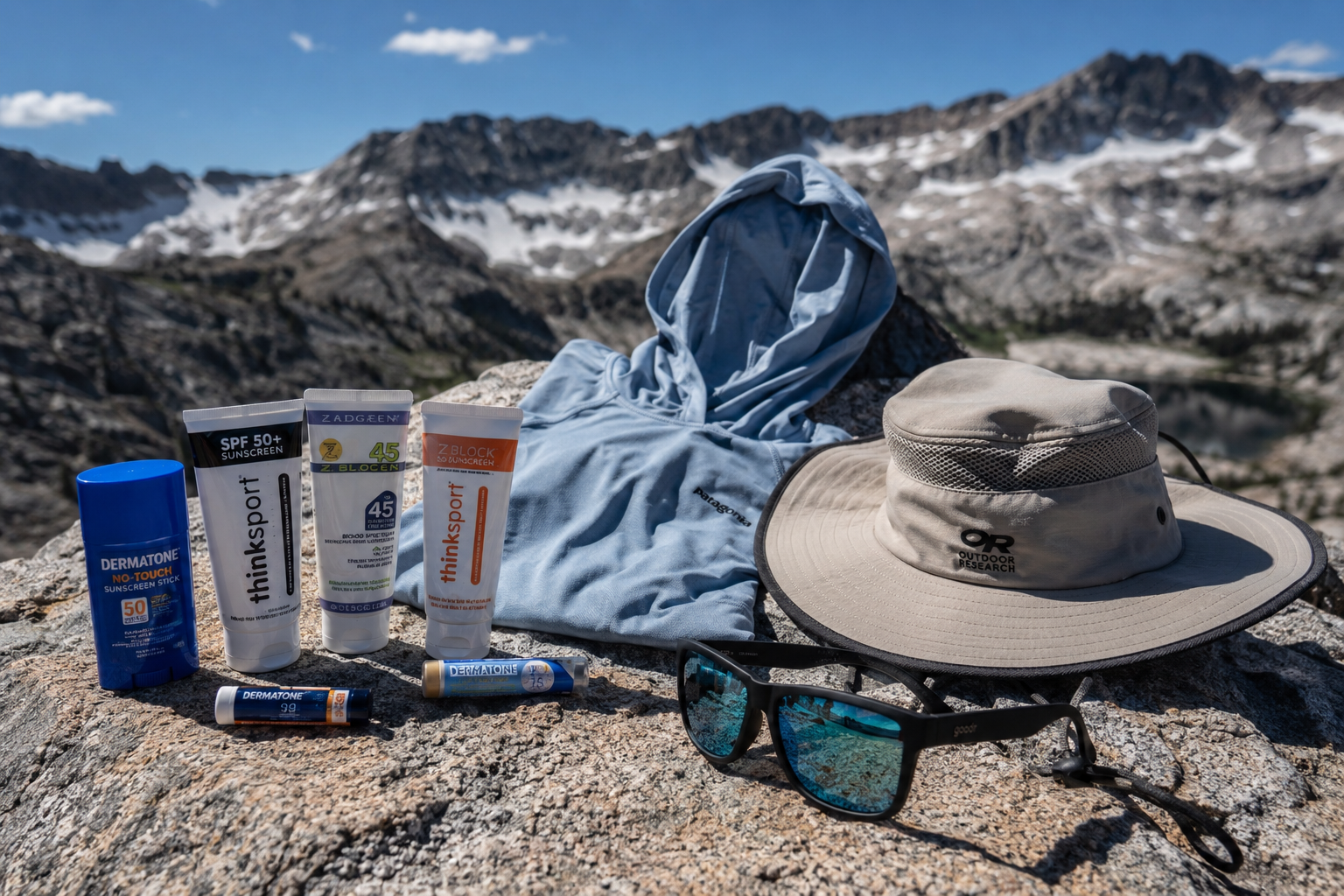
Summer in the Sierra demands more than sunscreen—it requires a layered sun system. This guide breaks down SPF vs UPF, explains UVA/UVB exposure at altitude, and shows how to build a complete protection kit using sunscreen, sun hoodies, hats, lip balm, and sunglasses for high-elevation environments.

April 28, 2026 5 min read
Read More

April 11, 2026 10 min read
What happens when a complete beginner accidentally commits to hiking the John Muir Trail? Overpacking, poor decisions, unexpected friendships, and 200+ miles of figuring it out the hard way. Read a first-timer's John Muir Trail story packed with real mistakes, lessons, and gear insights. Follow a beginner’s journey through Yosemite to Mount Whitney while learning what it actually takes to hike the JMT—from preparation and permits to daily mileage, gear choices, and surviving the Sierra.
Sign up for the latest on area events and conditions, sales/promotions, new releases, and so much more…
You get a code for free standard shipping on an order over $20 after sign up! Check your email!