
Free Shipping on Orders over $100 🚚
Free Shipping on Orders over $100 🚚
Most first-time JMT mistakes aren’t dramatic. They’re small decisions that feel fine at trailhead and slowly compound over a few days.
Here’s what actually tends to matter.

A lot of first-timers bring gear for every possible scenario instead of the conditions they’ll almost certainly face.
The result is usually extra weight that never gets used, especially in clothing and “backup” systems.
What to do instead:
Build your kit around repeatable conditions, not edge cases. You’ll deal with cold mornings, hot afternoons, and wet gear at some point — but you don’t need three separate solutions for each.
If something doesn’t get used on a normal training overnight, it probably won’t earn its place on the JMT.
People expect sunburn in the desert. They don’t expect it at 11,000 feet with a breeze.
But elevation + reflection off granite + long exposure = cumulative burn even when it doesn’t feel hot.
What to do instead:
Treat sun protection like hydration — not optional, not situational. Regular sunscreen re-application, an real hat, and clothing coverage matter more than most people expect. Check out the new Patagonia Capilene Sun Hoodie (UPF 40+).
If you feel the burn, you’re already behind.
The trail feels easy at the beginning, especially if you’re excited and fresh. That combination leads a lot of people to push mileage early.
The issue isn’t fitness — it’s that the JMT punishes early inefficiency later.
What to do instead:
Keep early days intentionally moderate. You’re not trying to “bank miles,” you’re trying to settle into a pace you can repeat for 2–3 weeks.
If day 3 feels like a sprint, day 8 usually pays for it.
Altitude doesn’t hit everyone the same way, and it doesn’t stay consistent. You can feel fine one day and sluggish the next without obvious reason.
What to do instead:
Don’t make assumptions about your “normal pace” early on. Hydrate more than feels necessary, eat consistently, and pay attention to appetite changes or headaches.
If things feel off, slow down before you force it into something worse.
First-timers usually fall into one of two traps: carrying too much “insurance food” or underestimating how much appetite changes over time.
Both lead to inefficiency. Either weight you don’t need or calories you wish you had later.
We got your JMT dinners covered. Check out our high-protein and calorie dense dehydrated meals for backpacking from top brands like Peak Refuel, Backpackers Pantry, and Foundation Outdoors.
What to do instead:
Aim for simple, high-calorie, low-prep food you’re actually willing to eat when tired. The goal isn’t variety, it’s reliability.
If you wouldn’t happily eat it on a cold, long afternoon, it’s probably not ideal JMT food.
Most people think of their pack as “set” for the whole trip. In reality, it changes as soon as you start using it.
What to do instead:
Expect to adjust constantly: shedding layers, redistributing weight, rethinking what stays accessible.
The best setups usually aren’t perfect at the start; they get refined over the first few days.
The JMT doesn’t really follow a normal daily rhythm. Days are defined more by terrain, weather, and energy than by clocks.
What to do instead:
Plan loosely and adapt daily. Don’t anchor too hard to strict mileage or schedules. Flexibility is what keeps the trip comfortable instead of stressful.
Blisters, pressure points, mild fatigue — none of these feel serious at first.
But on a multi-week hike, small issues tend to scale if ignored.
What to do instead:
Fix small problems immediately. Stop early for adjustments. Change socks. Adjust straps. Don’t wait for discomfort to become “worth addressing.”
Most first-time JMT mistakes come from trying to fully “solve” the trip before it starts.
It’s better to show up prepared, observant, and willing to adjust.
The people who have the best trips usually aren’t the ones who planned perfectly. They’re the ones who adapted quickly.
Planning your John Muir Trail hike? We made a curated JMT Gear Collection with packs, footwear, water filters, bear canisters, layers, and trail-tested essentials to help simplify your kit.
Shop Our JMT Gear CollectionRelated Eastside Sports JMT Guides
JMT Permits Explained Best Shoes for the JMT First Time JMT Mistakes JMT Resupply Guide

June 29, 2026 6 min read
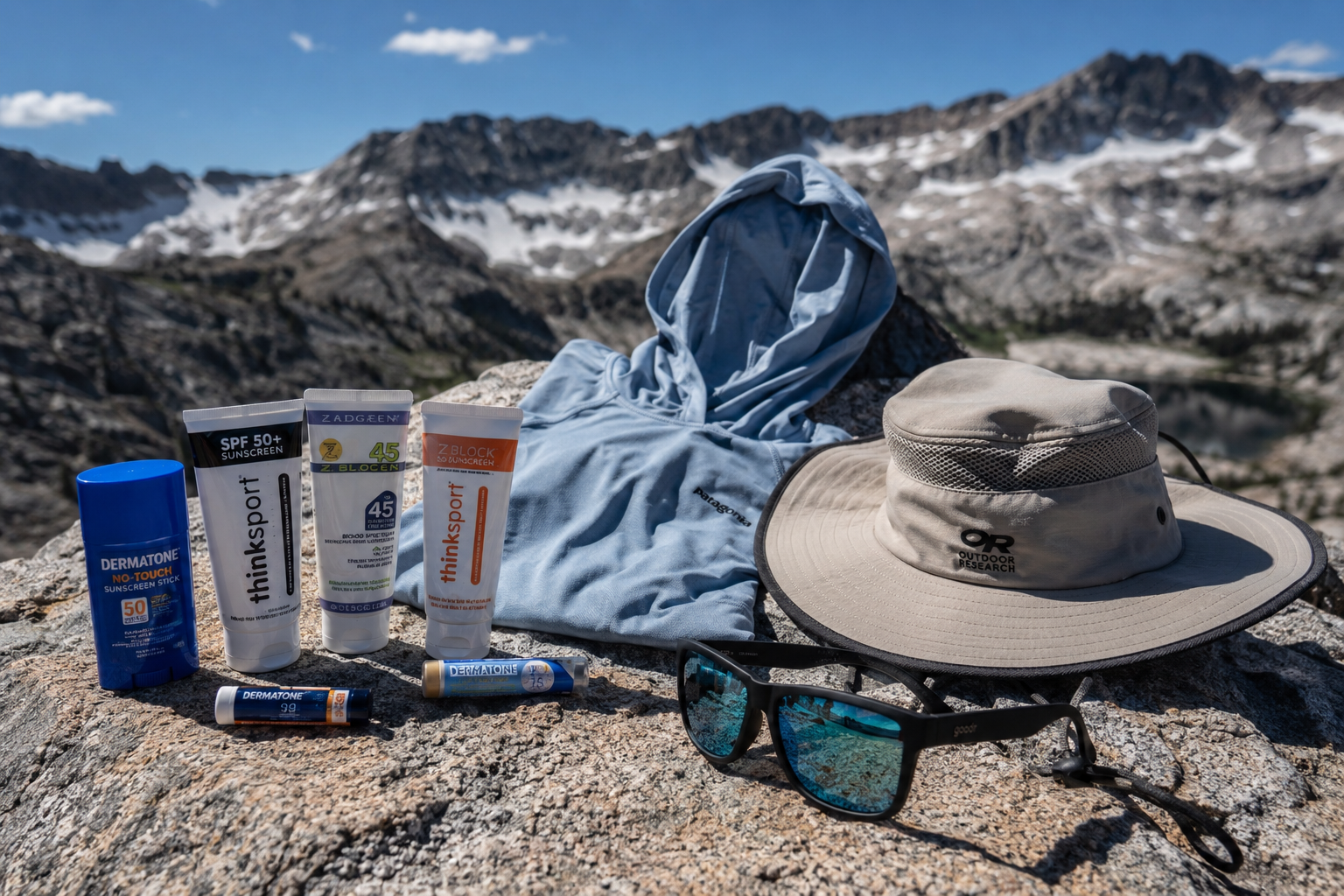
Summer in the Sierra demands more than sunscreen—it requires a layered sun system. This guide breaks down SPF vs UPF, explains UVA/UVB exposure at altitude, and shows how to build a complete protection kit using sunscreen, sun hoodies, hats, lip balm, and sunglasses for high-elevation environments.

April 28, 2026 5 min read
Read More

April 11, 2026 10 min read
What happens when a complete beginner accidentally commits to hiking the John Muir Trail? Overpacking, poor decisions, unexpected friendships, and 200+ miles of figuring it out the hard way. Read a first-timer's John Muir Trail story packed with real mistakes, lessons, and gear insights. Follow a beginner’s journey through Yosemite to Mount Whitney while learning what it actually takes to hike the JMT—from preparation and permits to daily mileage, gear choices, and surviving the Sierra.
Sign up for the latest on area events and conditions, sales/promotions, new releases, and so much more…
You get a code for free standard shipping on an order over $20 after sign up! Check your email!