Free Shipping on Orders over $100 🚚
Free Shipping on Orders over $100 🚚
If you’re asking “how hard is the JMT?”, you’re already asking the right question.
Because the John Muir Trail isn’t technically complicated. No ropes, no climbing gear, no vertical suffering that requires a PhD in suffering studies. But it is long. High. Repetitive in the best and worst ways. And it has a funny habit of making very fit, very confident people suddenly develop strong opinions about snacks, rocks, and their life choices.
So yeah, it’s hard. Just not in the way people assume.
At Eastside Sports in Bishop, we talk to JMT hikers every season, and the honest answer is always the same:
It’s absolutely doable… but it will humble you at least once. Probably more.
Think of it like this:
You’re hiking ~211 miles through the Sierra Nevada, carrying everything you need to survive, while your body slowly adapts to altitude, terrain, and the concept that “flat ground” is more subjective than objective.
Typical days look like:
10–20 miles of hiking
3,000–5,000 ft of elevation gain/loss
A backpack that feels heavier on day 6 than day 1 (scientifically confusing, emotionally accurate)
Weather that changes personality without warning (whattup Sierra afternoon t-storms)
It’s not technical. It’s just… persistent.
Like nature saying: “Cool pace you’ve got there. Let’s do it again, but uphill.”
The JMT doesn’t break people in one dramatic moment.
It’s more like:
Day 1: “This is amazing.”
Day 4: “I understand hiking now.”
Day 9: “Why does everything hurt in alphabetical order?”
Day 14: “I am becoming a snack-based organism.”
The repetition is the difficulty.
You’re living above 8,000 feet for weeks.
Sometimes it feels fine.
Other times:
walking uphill feels suspiciously personal
breathing becomes a full-time hobby
your brain starts negotiating for breaks you didn’t agree to
No one is immune. Some people just hide it better.
Individually, JMT passes aren’t terrifying.
But collectively?
They become a pattern:
climb → descend → eat → repeat → question why downhill still hurts
Eventually you stop reacting emotionally and just accept that every valley leads to another climb like it’s a personality trait of the Sierra.
The JMT has a very simple philosophy:
“You don’t need that.”
Whatever “that” is — you brought too much of it.
First few days usually include:
carrying unnecessary clothing
emotional attachment to backup systems
a suspicious amount of “just in case” items
By week two, your pack is noticeably smarter than it was at the start. (I'll let you imagine the diabolical things I saw people ditch at resupply locations).
The Sierra does not care about your itinerary.
You might get:
bluebird mornings
afternoon thunderstorms
wind that feels like it has opinions
or perfect calm days that make you trust everything too much
It keeps you honest in a way spreadsheets cannot.
At some point, your brain starts:
celebrating small rocks as emotional landmarks
forgetting what day it is
becoming extremely passionate about electrolytes and carb timing intervals
developing deep respect for flat ground
This is not a crisis. This is just week-two behavior.
Let’s be real about it.
brand new to backpacking
not used to carrying weight for long distances
coming from low elevation with no acclimation
expecting a scenic stroll with occasional effort
have done multi-day trips before
are comfortable hiking 10–15 mile days
understand basic gear systems
know how to slow down before your body forces you to
Experience doesn’t make it easy. It just removes the chaos.
The hardest part of the JMT usually isn’t the terrain.
It’s the voice in your head somewhere around day 8 saying:
“We could just… stop here. This is a perfectly good rock.”
But you don’t stop.
Because somehow, you also start caring deeply about what’s after the next ridge.
And that’s the weird part — it gets harder and more addictive at the same time.
Yes.
But not in a “this is extreme expedition survival” way.
More like:
It’s hard enough to make you respect it, but fun enough that you forget how hard it is while you’re doing it.
It’s a long lesson in pacing, patience, and realizing you brought too many socks for no reason.
If someone walked into the shop and asked:
“Am I going to get destroyed on the JMT?”
The honest answer is:
If you prepare well → you’ll be fine, and probably obsessed with it afterward
If you wing it → you’ll learn fast, possibly the hard way
If you overthink it → you’re already more prepared than most people
The JMT doesn’t require perfection.
It just requires showing up, adjusting, and continuing to walk forward even when your legs start negotiating.
Planning your John Muir Trail hike? We made a curated JMT Gear Collection with packs, footwear, water filters, bear canisters, layers, and trail-tested essentials to help simplify your kit.
Shop Our JMT Gear CollectionRelated Eastside Sports JMT Guides
JMT Permits Explained Best Shoes for the JMT First Time JMT Mistakes JMT Resupply Guide

June 29, 2026 6 min read
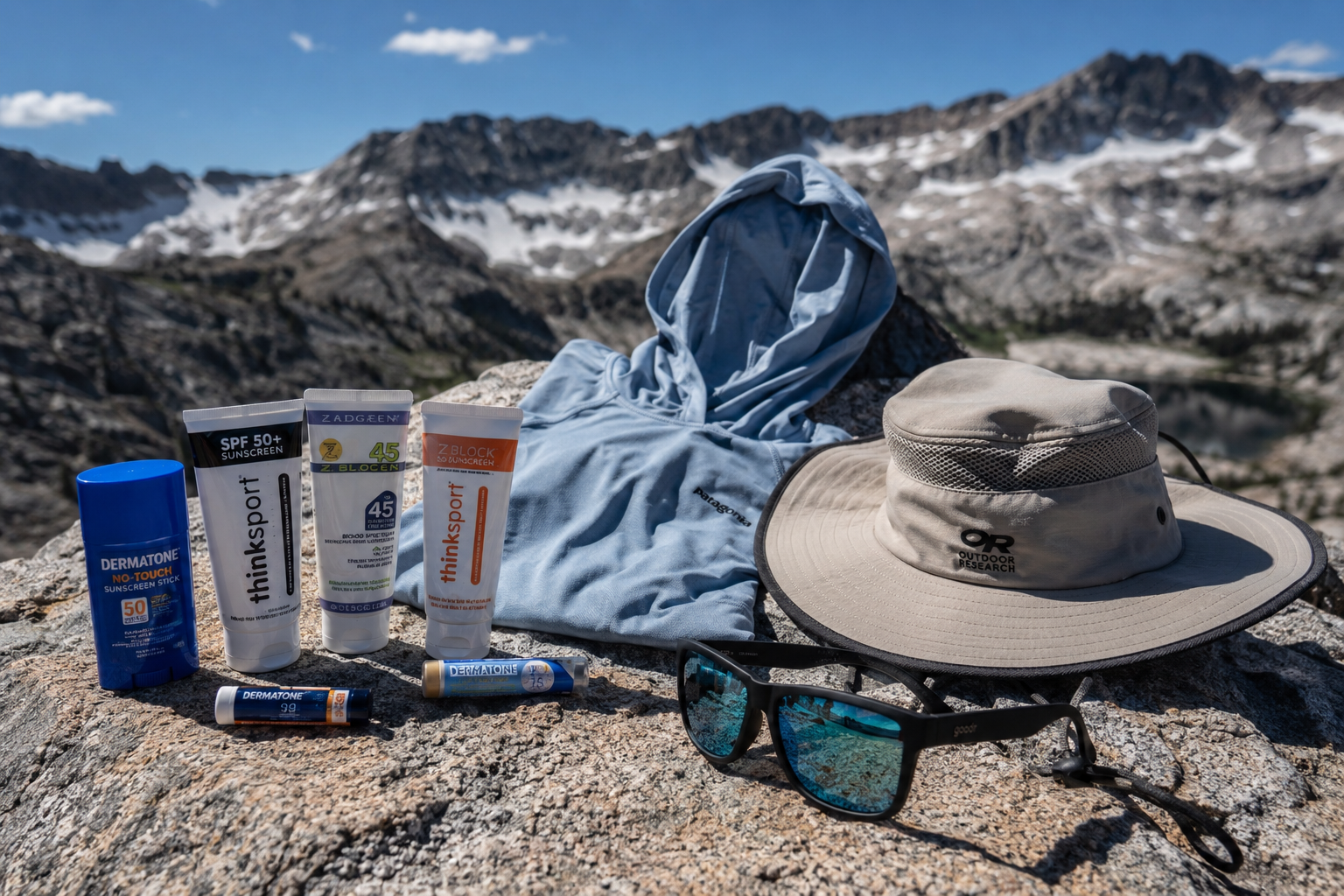
Summer in the Sierra demands more than sunscreen—it requires a layered sun system. This guide breaks down SPF vs UPF, explains UVA/UVB exposure at altitude, and shows how to build a complete protection kit using sunscreen, sun hoodies, hats, lip balm, and sunglasses for high-elevation environments.

April 28, 2026 5 min read
Read More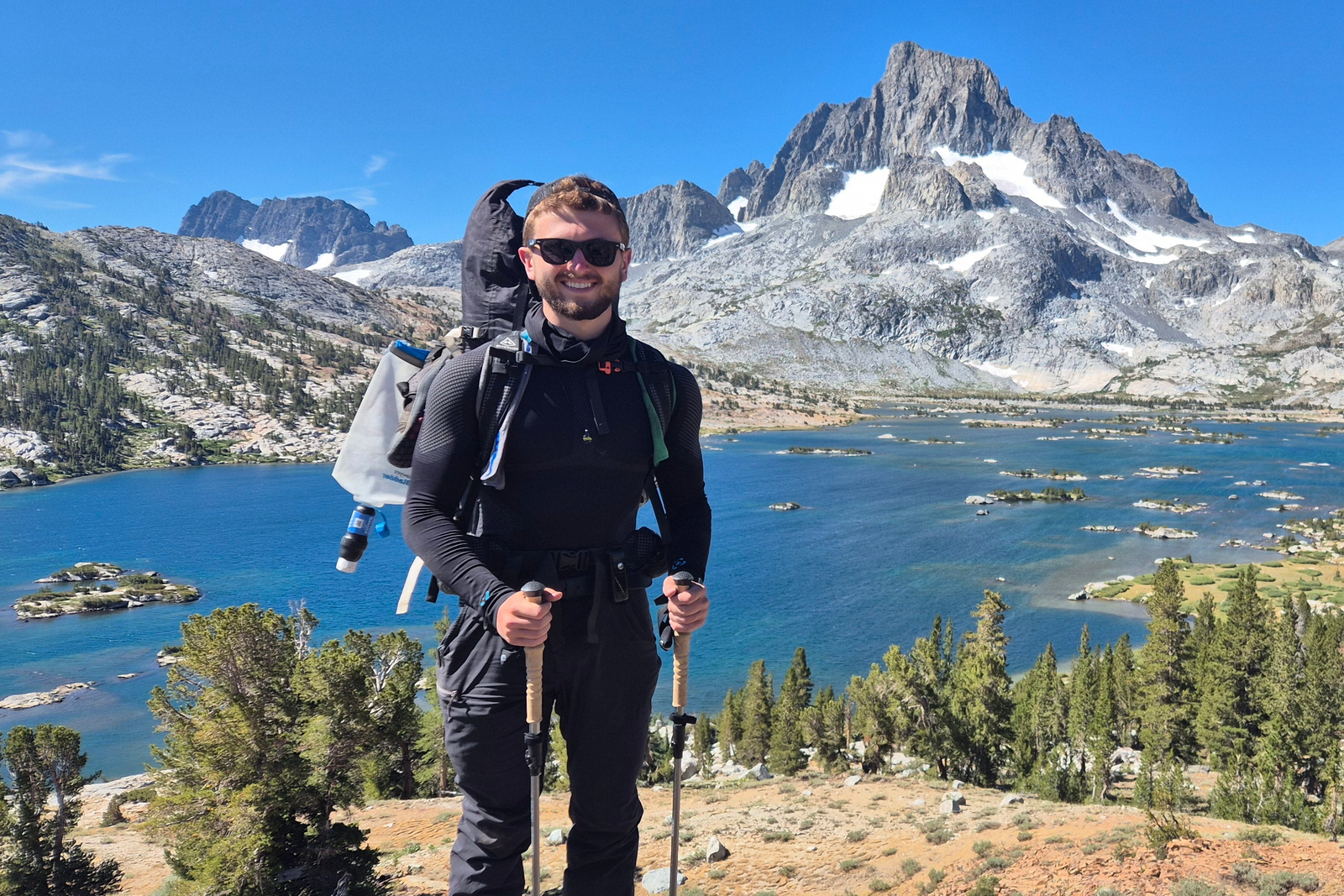

April 11, 2026 10 min read
What happens when a complete beginner accidentally commits to hiking the John Muir Trail? Overpacking, poor decisions, unexpected friendships, and 200+ miles of figuring it out the hard way. Read a first-timer's John Muir Trail story packed with real mistakes, lessons, and gear insights. Follow a beginner’s journey through Yosemite to Mount Whitney while learning what it actually takes to hike the JMT—from preparation and permits to daily mileage, gear choices, and surviving the Sierra.
Sign up for the latest on area events and conditions, sales/promotions, new releases, and so much more…
You get a code for free standard shipping on an order over $20 after sign up! Check your email!