
Free Shipping on Orders over $100 🚚
Free Shipping on Orders over $100 🚚
If you're planning the John Muir Trail, one of the first questions you’ll ask is: when is the best time to hike the JMT? It’s one of the most searched questions for a reason. The best time to hike the John Muir Trail depends on snowpack, creek crossings, weather, mosquitoes, wildfire smoke, and how crowded the trail gets. Most hikers aim for late July through early September, but every month has tradeoffs depending on the kind of trip you want.
Some hikers want warm nights and smooth trail conditions. Some want fewer crowds. Some want peak Sierra scenery. Some are apparently fine postholing through snow while being eaten alive by mosquitoes.
No judgment.
At Eastside Sports in Bishop, we talk with JMT hikers every season. Some are starting next week and need last-minute gear. Some are deciding between hiking the JMT in July or September. Some just walked in looking nervous and underpacked. So here’s the real breakdown of the best time to hike the JMT, written by people who actually spend time in the Eastern Sierra.
If you want the safest all-around window with the best odds of a smooth trip:
That’s usually the money zone.
Why?
Most passes are melted out
Creek crossings calm down compared to early season
Days are long
Nights are manageable
Resupply spots are fully rolling
Weather is generally more stable
You’re less likely to question all your life choices by day three
If you only want one recommendation, that’s the answer in most years.
But, and this matters: snowpack can completely change the script.
This is where generic internet guides fall apart. A low snow year can make late June feel pretty reasonable. A monster winter can make early July feel like a spring expedition with extra mosquitoes.
So don’t just ask what month it is. Ask:
Was it a huge snow year?
Has spring been warm or cold?
Are creek crossings still ripping?
What are recent hikers saying?
Is there smoke in the forecast?
Some years July is money. Some years July is character development.

June is early season. Sometimes beautiful. Sometimes spicy.
Depending on snowpack, passes may still hold snow, navigation can be slower, and creek crossings can be no-joke. Nights are cold, mornings are colder, and wet feet become part of your personality.
Experienced backpackers
Strong hikers comfortable adapting plans
People who own microspikes and know why
For most first-time JMT hikers, June is not the easiest move. Possible? Sure. Ideal? Usually no.

July is when the trail starts coming alive. By mid to late July, things often improve quickly. Snow melts back, travel gets easier, and the Sierra starts flexing hard.
The downside? Mosquitoes may be operating with full confidence.
Hikers wanting summer conditions
Earlier permit holders
People who don’t mind bug nets and emotional resilience
Late July can be incredible. Early July depends heavily on the year.

August is the classic JMT month. If someone imagines hiking the JMT in ideal summer conditions, they’re probably imagining August.
Passes are usually clear. Creek crossings are lower. Nights are reasonable. Logistics are easiest. Your odds of a smooth thru hike are strong.
First-time JMT hikers
People wanting the safest default option
Anyone who likes predictable trail conditions
If someone walked into the shop and said “Give me the best overall month,” August would get a long look.
There’s a reason permits are competitive.

September is low key elite. Mosquitoes usually back off. Crowds thin a bit. The air often feels crisp and clean. Light gets better. Mornings feel sharper. The whole Sierra gets a little more serious.
Tradeoffs:
Colder nights
Shorter days
Greater chance of early storms later in the month
People who hate bugs
Hikers wanting a quieter vibe
Folks who don’t panic when water bottles freeze slightly
A lot of experienced hikers quietly prefer September.
Early to mid September might be the best overall JMT window if you’re prepared for cooler nights.
October is gamble season. Could be glorious. Could be over. You may get empty trails and bluebird days. You may get snow and a fast lesson in humility.
For a full JMT thru hike, this is not the recommended play for most people.
Peak bug season usually hits earlier when meltwater is everywhere.
If mosquitoes can ruin your mental state, go later.
Still the Sierra though. “Warm” is relative. Don’t get cute with your sleep system.
Peak season is popular because conditions are good.
If you want a little more breathing room, September often delivers.
Most common direction. Most hikers start mid July through late August.
Great option for some hikers, but starting too early means diving straight into big terrain immediately.
No warm-up lap.
If someone came into our Bishop shop and asked when to hike the JMT, we’d usually say:
Late July through early September
Late August through mid September
Check the snow year first.
There’s no magic date that guarantees the perfect JMT.
But in most seasons:
Late July to mid August = classic summer JMT
Late August to mid September = fewer bugs, fewer people, cooler nights
June to early July = highly condition dependent
October = roll the dice
The best time to hike the JMT is when the conditions match your experience, gear, and tolerance for discomfort.
Because for one hiker, 28 degrees at Evolution Lake is a spiritual experience.
For another, it’s a reason to quit backpacking forever.
Planning your John Muir Trail hike? We made a curated JMT Gear Collection with packs, footwear, water filters, bear canisters, layers, and trail-tested essentials to help simplify your kit.
Shop Our JMT Gear CollectionRelated Eastside Sports JMT Guides
JMT Permits Explained Best Shoes for the JMT First Time JMT Mistakes JMT Resupply Guide

June 29, 2026 6 min read
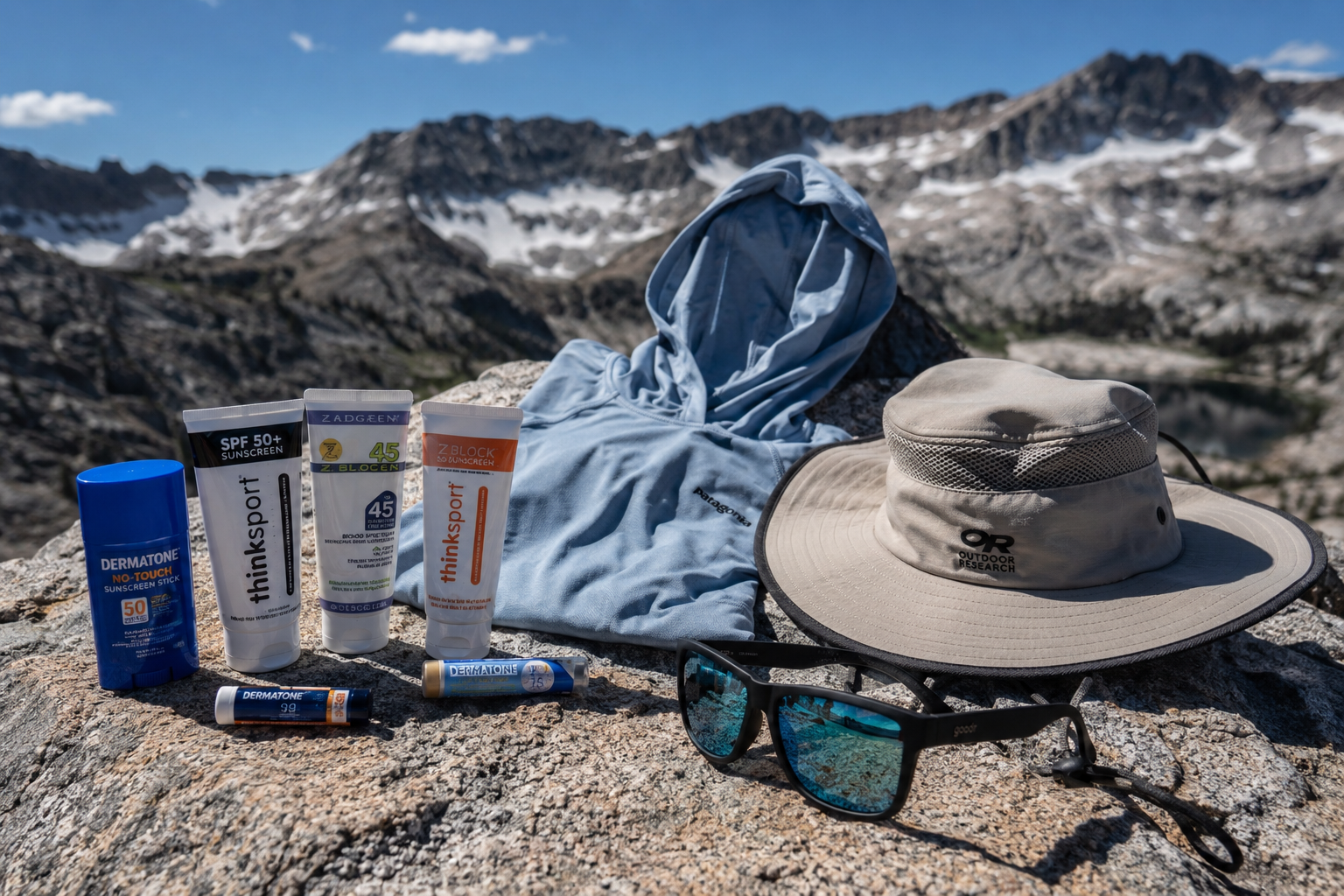
Summer in the Sierra demands more than sunscreen—it requires a layered sun system. This guide breaks down SPF vs UPF, explains UVA/UVB exposure at altitude, and shows how to build a complete protection kit using sunscreen, sun hoodies, hats, lip balm, and sunglasses for high-elevation environments.

April 28, 2026 5 min read
Read More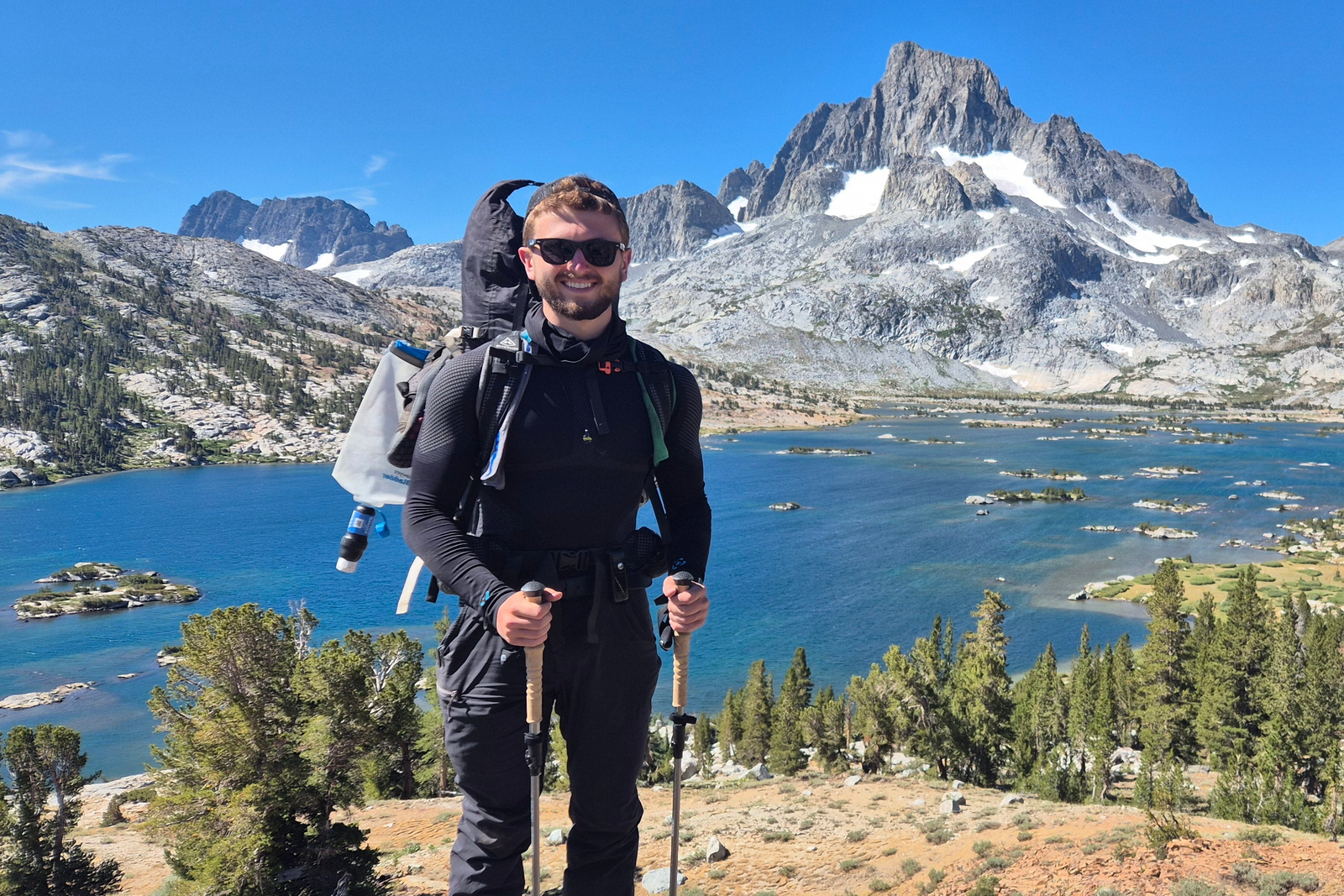

April 11, 2026 10 min read
What happens when a complete beginner accidentally commits to hiking the John Muir Trail? Overpacking, poor decisions, unexpected friendships, and 200+ miles of figuring it out the hard way. Read a first-timer's John Muir Trail story packed with real mistakes, lessons, and gear insights. Follow a beginner’s journey through Yosemite to Mount Whitney while learning what it actually takes to hike the JMT—from preparation and permits to daily mileage, gear choices, and surviving the Sierra.
Sign up for the latest on area events and conditions, sales/promotions, new releases, and so much more…
You get a code for free standard shipping on an order over $20 after sign up! Check your email!