Free Shipping on Orders over $100 🚚
Free Shipping on Orders over $100 🚚
A lot of people spend months stressing over packs, shoes, permits, trekking poles, food spreadsheets, and whether their spoon is too heavy.
Then they treat sleep like an afterthought. That is a bold strategy.
Because on the John Muir Trail, good sleep can carry a rough day. Bad sleep can make you hate your entire existence. You’ll still be surrounded by granite peaks and alpine lakes, but now you’re tired, cold, irrationally mad at your sleeping pad, and questioning every life choice that led you here.
So let’s build a sleep system that actually works.
You’ll spend the day hiking in sun, enjoying a snack at Thousand Island Lake, filtering water in a t-shirt, thinking life is easy. Then the sun drops behind the mountains and the vibes change up quick.
A lot of camps are high elevation. Nights in the 30s are common. Nights in the 20s happen. Wind shows up uninvited. Frost happens.
Even in peak summer, it’s smart to plan for cold nights instead of optimistic ones.
This is one of those internet debates that people make way too dramatic.
Truth is, both work.
A quilt is lighter, packs smaller, and a lot of experienced hikers love them. Great option if you know you sleep warm or already like quilts.
A sleeping bag is simpler, cozier, and usually more forgiving when temperatures drop or weather gets weird.
If it’s your first JMT and you’re unsure, a good sleeping bag is a very reasonable call. The JMT is not the ideal place to discover that drafts make you miserable.
Prefer a sleeping bag? We recommend the Western Mountaineering UltraLite, a trusted JMT favorite known for insane warmth-to-weight, premium comfort, and long-term durability built to last for decades.

Prefer a quilt? The Enlightened Equipment Revelation 20 Degree Quilt is a great option for hikers looking to save weight and pack space while still sleeping like a toasty bug in a rug.

This is where many people get overconfident.
They see “July in California” and pack a 40-degree bag like they’re camping in someone’s backyard. (I actually did this and ended up upgrading my bag mid trail. Please don't make the same mistake).
For most hikers, a 20-degree bag or quilt is the sweet spot. It gives enough warmth for normal Sierra nights without being absurdly heavy.
If you sleep warm and have experience, a 30-degree setup can work.
If you run cold, want extra margin, or are hiking early/late season, 10 to 15 degree bags and quilts can be worth it.
Also: temperature ratings are not sacred truth. Brand quality matters. Pad warmth matters. Whether you ate dinner matters. Whether you naturally sleep cold matters.
For example, different brands rate their bags differently. Some list a temperature somewhere between the lower limit and comfort rating. Others use a number closer to what colder sleepers can realistically handle. And if it’s a Western Mountaineering bag, there’s a high chance you’ll be warm right down to whatever temperature is printed on it.
People obsess over bags and then bring a pad with all the insulation of a tortilla (Z-lite & Gossamer pad gangs I'm talking about you).
The ground pulls heat out of you all night. If your pad isn’t warm enough, your bag can only do so much.
For the JMT, something around R-4 or higher is a strong starting point.
If you sleep cold, go warmer.
Honestly, upgrading your pad is often smarter than buying a way heavier bag.
Our staff pick for most JMT hikers: Therm-a-Rest NeoAir XLite NXT. Coming in at an R-value of 4.5 and a weight of 13oz, the XLite will keep you warm on the coldest of JMT nights while not weighing you down on trail.
One dry set of clothes just for camp and sleeping can make a huge difference.
Not glamorous. Very effective.
Think wool base layers, dry socks, maybe a beanie.
You crawl into your shelter after a long day, peel off the sweaty trail layers, and suddenly feel human again.
That little morale boost matters more than gear nerds like to admit. Don't be afraid to sleep in your down jacket or throw on some down pants.
High ROI warmth boosters:
If you go to sleep under-fueled, your body has less energy to stay warm.
So if dinner was “half a bar and vibes,” don’t be shocked when you’re cold at 1 a.m.
Eat a real meal. Have a snack before bed if needed. Your metabolism is basically part of your sleep system.
Two campsites a few hundred yards apart can feel wildly different.
Try to avoid exposed windy ridges, low cold sinkholes, and random desperate spots you chose because your legs quit negotiating.
Look for places with some shelter, decent ground, and less wind exposure. Let me make sure I'm being clear: avoid windy campsites at all costs. Not just for temps, but for the god awful noises your tent will make.
A smart campsite can make average gear feel great. A bad campsite can make premium gear feel questionable.
If you just want a system that works without drama:
20-degree bag or quilt
Insulated pad around R-4+
Dry sleep layers
A real, comfortable pillow
Shelter you trust (not your old backpacking tent that's been in storage since your glory days)
That setup isn’t the lightest possible, but it’s solid. And solid is underrated.
Bringing too-light sleep gear because you wanted to save 8 ounces.
Ignoring pad warmth.
Going to bed hungry.
Sleeping in damp clothes.
Choosing camp in a wind tunnel because it “looked scenic.”
Trying to suffer through bad sleep for two weeks.
That last one especially. Sleep debt stacks fast.
People love talking about packs and trail runners because those are fun purchases.
But sleep quietly controls everything: recovery, mood, energy, patience, decision-making, whether sunrise feels magical or deeply offensive.
Protect your nights.
Your daytime self will be a much better person for it.
Planning your John Muir Trail hike? We made a curated JMT Gear Collection with packs, footwear, water filters, bear canisters, layers, and trail-tested essentials to help simplify your kit.
Shop Our JMT Gear CollectionRelated Eastside Sports JMT Guides
JMT Permits Explained Best Shoes for the JMT First Time JMT Mistakes JMT Resupply Guide

June 29, 2026 6 min read
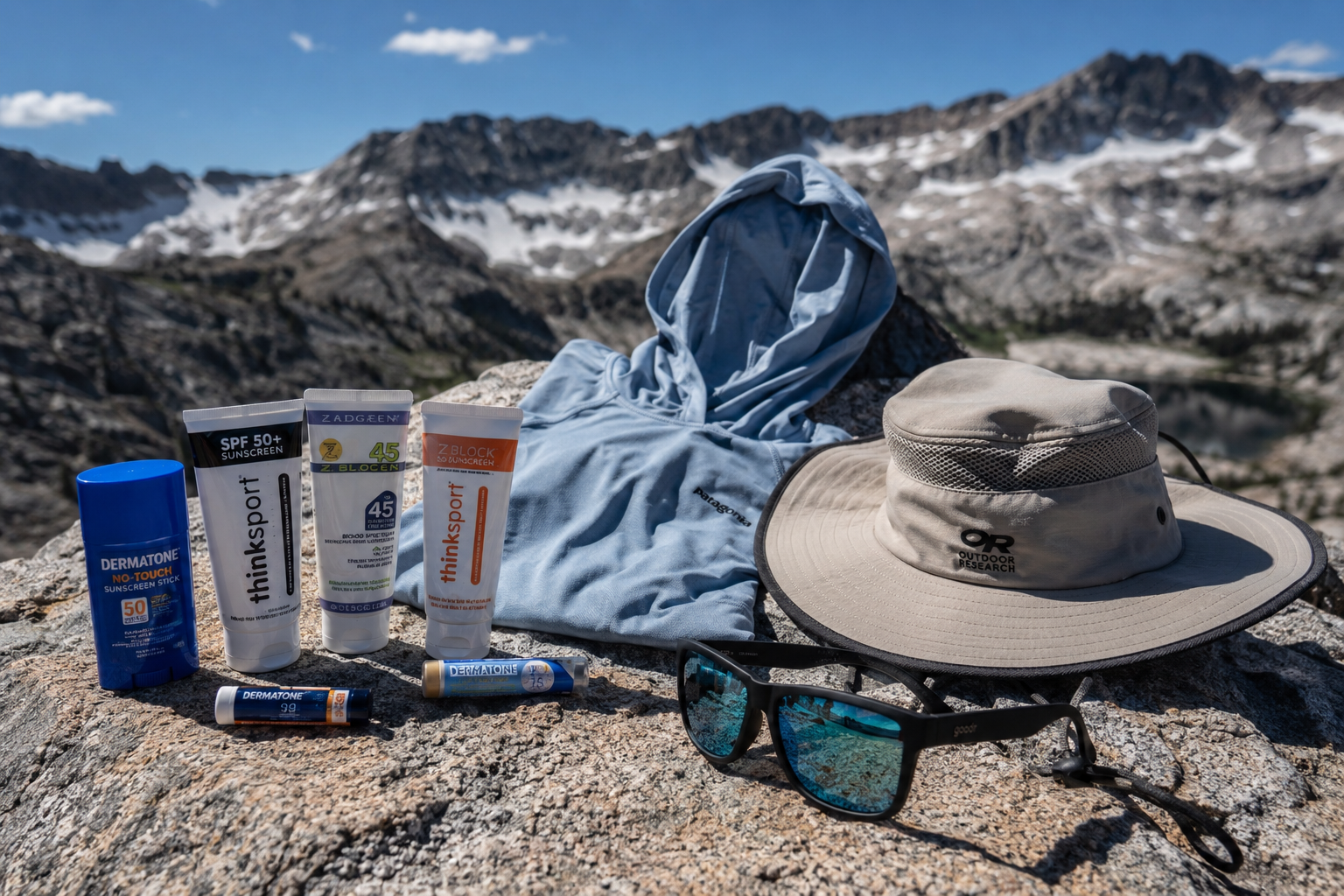
Summer in the Sierra demands more than sunscreen—it requires a layered sun system. This guide breaks down SPF vs UPF, explains UVA/UVB exposure at altitude, and shows how to build a complete protection kit using sunscreen, sun hoodies, hats, lip balm, and sunglasses for high-elevation environments.

April 28, 2026 5 min read
Read More

April 11, 2026 10 min read
What happens when a complete beginner accidentally commits to hiking the John Muir Trail? Overpacking, poor decisions, unexpected friendships, and 200+ miles of figuring it out the hard way. Read a first-timer's John Muir Trail story packed with real mistakes, lessons, and gear insights. Follow a beginner’s journey through Yosemite to Mount Whitney while learning what it actually takes to hike the JMT—from preparation and permits to daily mileage, gear choices, and surviving the Sierra.
Sign up for the latest on area events and conditions, sales/promotions, new releases, and so much more…
You get a code for free standard shipping on an order over $20 after sign up! Check your email!